Water Projects
Find and fund the most effective water projects globally. Filter by tax status, cost-effectiveness, and project type.
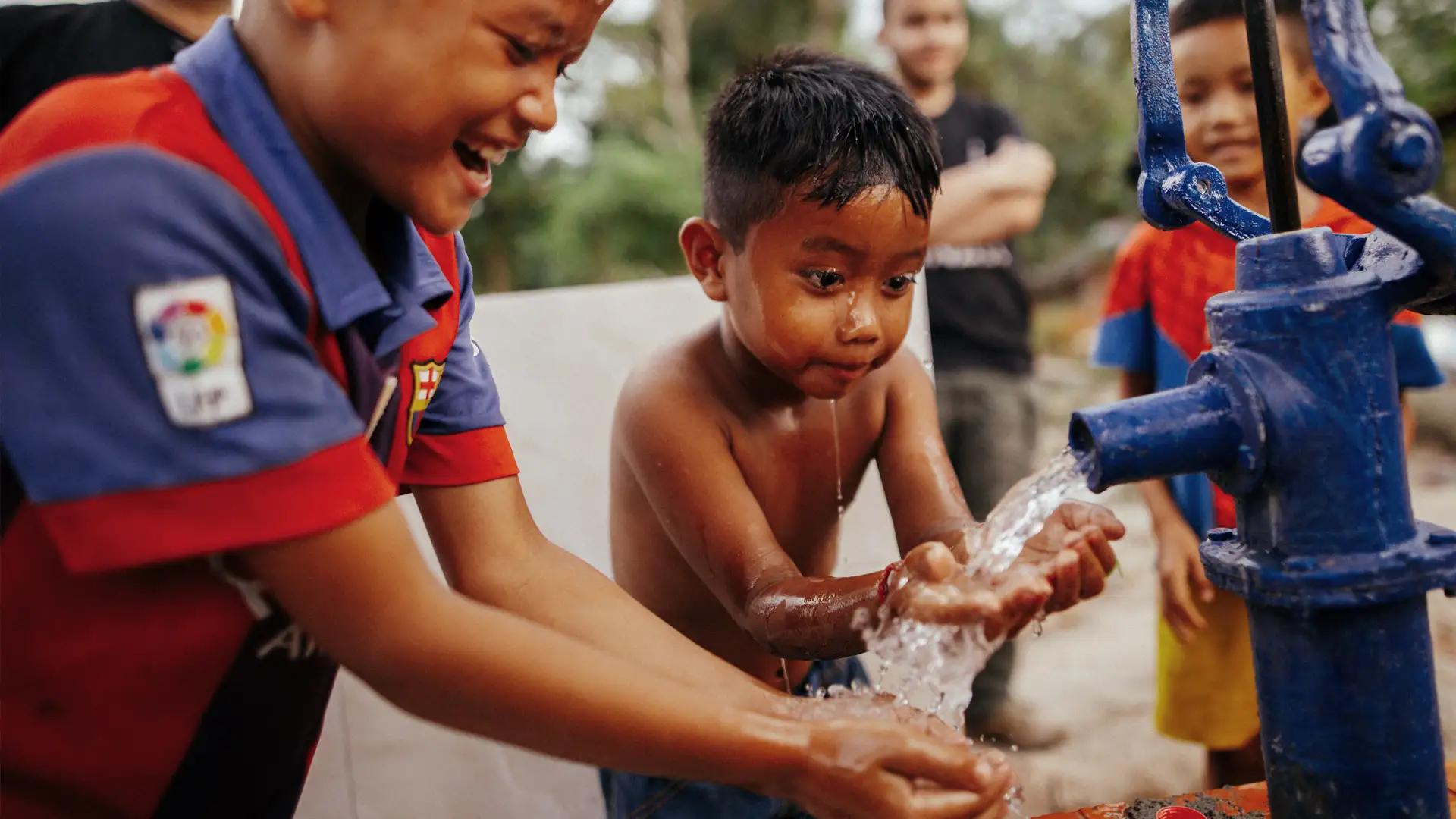
AusRelief - Build a Water Well
Builds water wells to provide safe drinking water to communities in need worldwide, focusing on cost-effective and sustainable solutions.
[Original Cost: $1,000 total per well (serves 350 people estimated for shallow well) (USD)] Stated average cost is $1,000 per well. Assuming a shallow well serving 350 people, cost per person is very low.
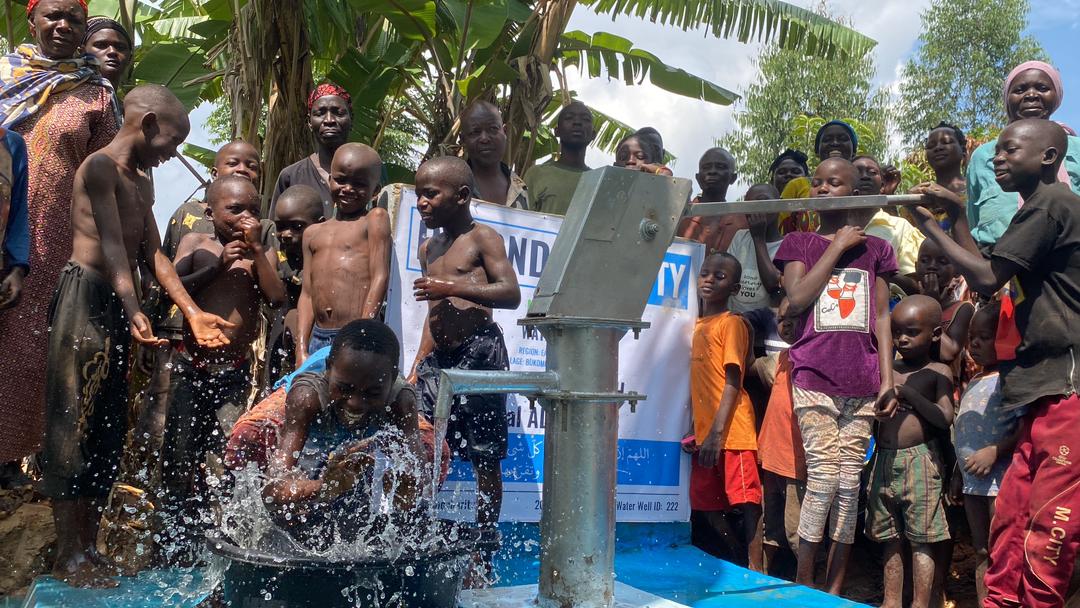
Beyond Charity - Water Wells
Builds water wells in Asia and Africa, providing long-term, sustainable access to safe and clean water for communities.
[Original Cost: $5000 total for a well (serves 1000 people estimated) (USD)] The $5000 package includes a complete water well. The charity is Australian-registered with DGR status, making donations tax-deductible in Australia.
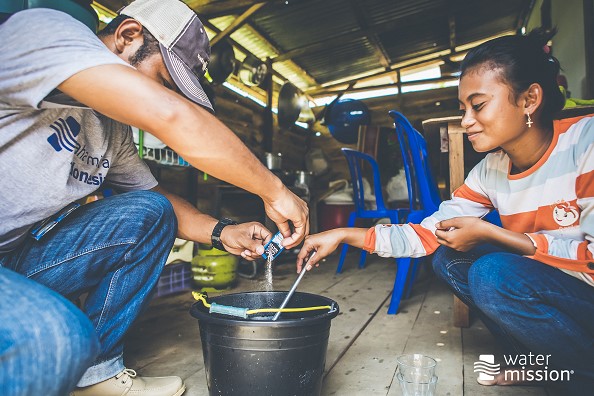
Blood: Water Mission
Launched first project in 2005, focused on clean water and sanitation in African communities with a holistic, community-driven approach.
Niche but impactful, smaller scale.
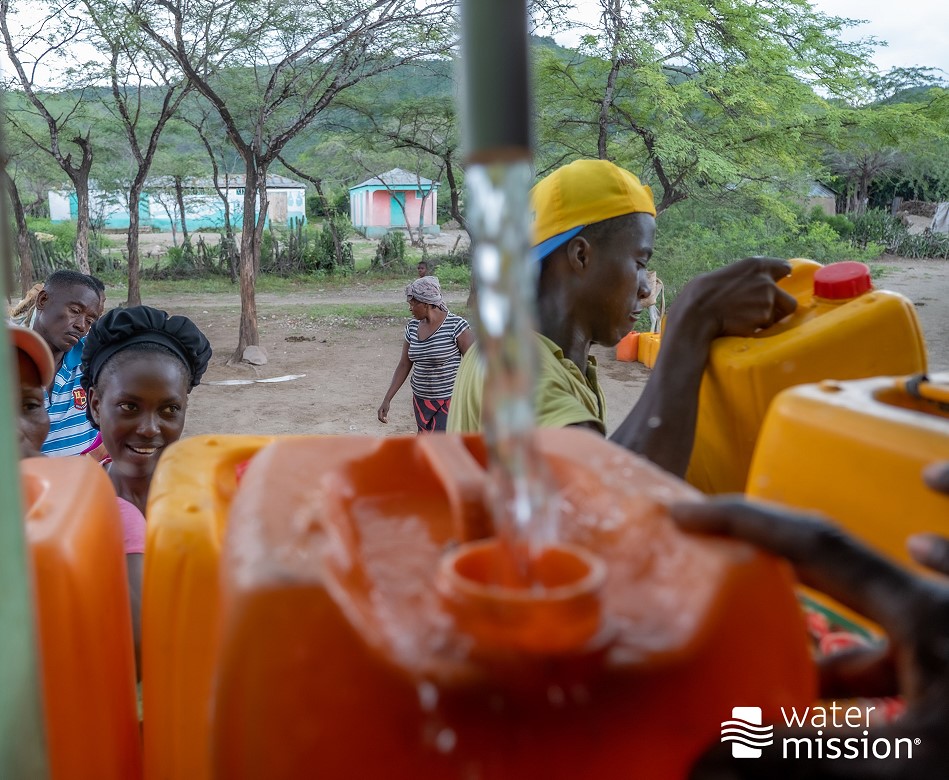
Ceramic Water Filter Project (Village Volunteers)
Distributes locally-made ceramic water filters that remove 99.88% of pathogens to rural communities in Western Kenya. Filters last 3 years.
[Original Cost: $25 per filter (serves 4 people typically) (USD)] Very cost-effective at $25 per filter for a family, with a 3-year lifespan.
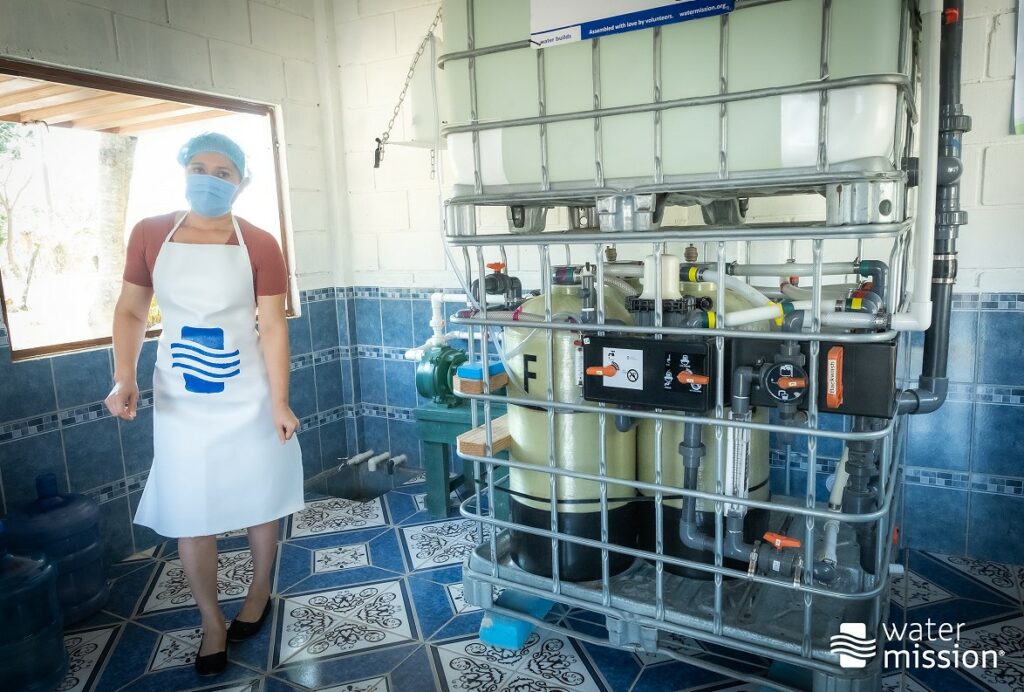
Chalice Canada Water Storage Tank
Provide a water storage tank for a community in need, enabling clean water access. Minimum donation $50 CAD.
[Original Cost: $50 CAD per tank (CAD)] Cost per person not specified; tank is part of a larger system. Estimated lifespan 5 years, but unclear. Assumed community use.
Charity: Water
Sponsor a water project (well, piped system, rainwater harvesting) for an entire community, school, or health clinic with a gift of £8,500 or more. 100% of donations go directly to water solutions.
[Original Cost: $250 per filter serving 5 people = $50 per person setup cost (USD)] Each filter serves approximately 5 people at a per-unit cost of $250. Over 114,000 filters have been funded since 2009, reaching 441,180 beneficiaries cumulatively. Families contribute time and labor, keeping costs low.
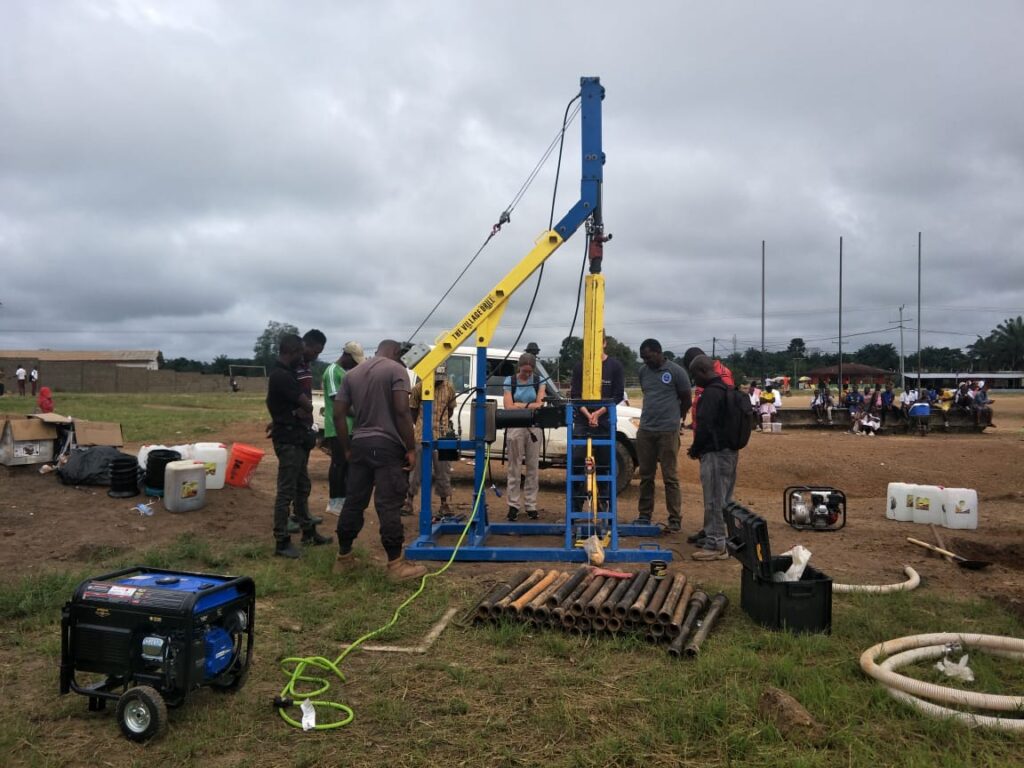
Clean Water Wells (Water For Life Charity)
Water For Life Charity drills wells in developing countries to provide clean water to communities.
[Original Cost: Estimated $8,000 per well (based on industry standard) (USD)] Durable infrastructure with long lifespan, but no specific cost per well or people served is given; assume standard community size for deep borehole: 800 people, cost estimated at $8,000 typical for such projects.
CloudFisher Fog Collector (WaterFoundation)
The CloudFisher is a durable fog collector that withstands winds up to 120 km/h, requires no energy, and provides clean water. Deployed in Morocco, Tanzania, Bolivia, Peru, Eritrea, and other countries.
[Original Cost: Varies; not specified per unit, but typical $1,500 per unit (EUR)] The project in Morocco uses 31 CloudFisher units with 1,686 m² of net area serving 1,300 residents. Cost per person per year is approximately $2.88 (assuming $0.50 per liter per day capital cost amortized over 10 years).
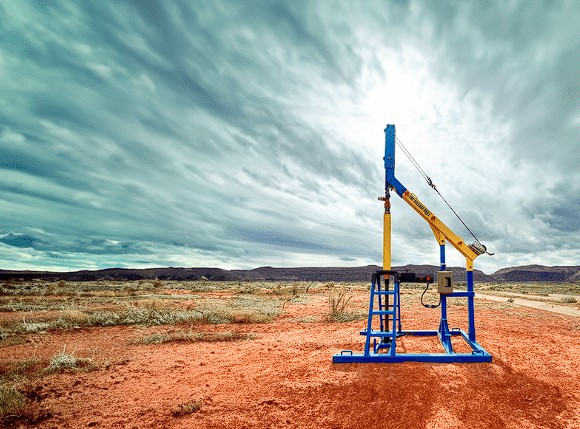
Community Transformation Trust (CTT) Water Filters
Partners with GHNI to provide water filters to families in Egypt, and funds Village Drills for remote communities in Liberia and Sierra Leone.
Grassroots organization providing direct intervention. $120 funds a water filter for a family. Donations are tax-deductible in New Zealand.
EA NZ - GiveWell Water Quality Interventions
Supports GiveWell's top-rated water charities like Evidence Action's Dispensers for Safe Water. Donations made through EA NZ are tax-deductible in New Zealand.
Highly effective, thoroughly vetted by GiveWell. EA NZ provides a 33% tax-rebate route for New Zealand donors.
Give Clean Water (Fiji)
Brings sustainable clean water solutions to homes in Fiji by training locals to install and maintain Sawyer water filters. $60 sponsors a family.
Focuses heavily on follow-up and maintenance, reporting 98.3% of filters still working after installation. Tax-exempt 501(c)(3) in the USA.
GiveWell - Chlorination Programs
Funds water chlorination programs in low- and middle-income countries. Highly cost-effective, with over $125 million granted since 2017. Reduces waterborne disease.
Extremely low-cost intervention. The $2 per person annual cost makes it among the most cost-effective water charities.
HNCO UK Solar Pump Retrofit (Community Well)
Provides a solar-powered submersible pump upgrade for an existing community well in impoverished rural areas, eliminating manual hand-pumping and increasing daily water yield. Total cost £1,800 serving 200-500 people.
[Original Cost: £1,800 total per solar pump kit (GBP)] Solar pump conversion / retrofit for an existing community borehole serving 200-500 people (~350 midpoint). Setup cost is ~£5.14 per person (~$6.68 USD). Over a 10-year solar panel and DC pump lifespan, annual cost is $0.67/person/year. (Note: covers solar pumping hardware and installation; assumes existing borehole source).
Malawi Water Project BioSand Filters
Provides household biosand water filters to families in Malawi, made from concrete, lasting 35+ years. $150 provides one filter for a family.
[Original Cost: $150 per filter (USD)] Filters are based on technology developed by Dr. David Manz. Affordable long-term solution for vulnerable families.
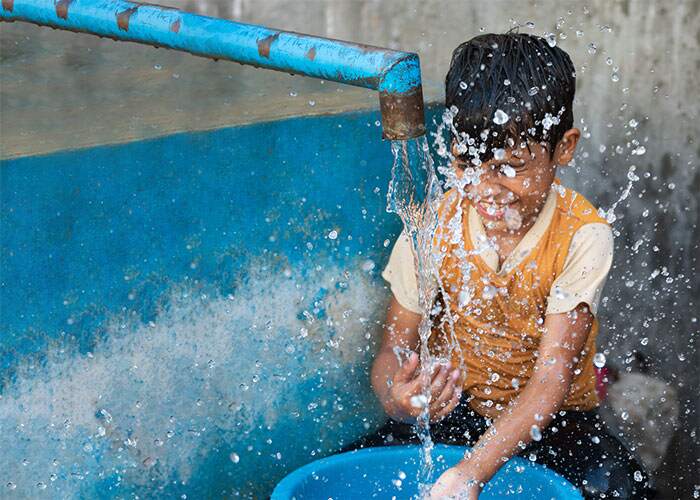
Penny Appeal Canada Deep Well (Pakistan)
Build a deep well in Pakistan to provide clean water access to a community. Donation includes plaque with name. Cost not specified per person but total well cost typical for region.
[Original Cost: $2,500 CAD per well (assumed for Pakistan deep well package) (CAD)] Assuming a well costs $2,500 CAD and serves 1,000 people, cost per person ~$2.50 CAD. Lifespan 15 years.
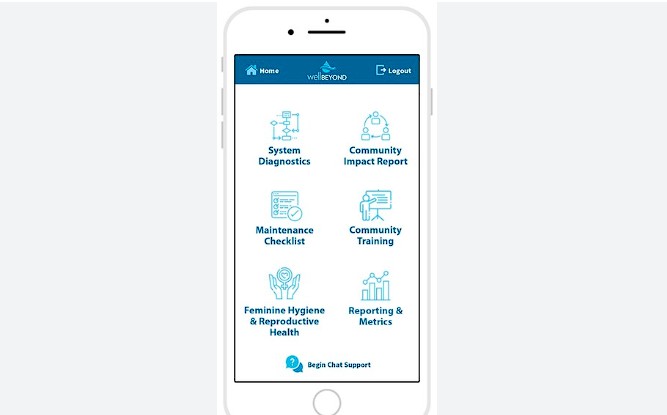
Potters for Peace Ceramic Water Filter Program
Potters for Peace provides technical assistance to set up local factories producing low-cost ceramic water filters that eliminate approximately 99.88% of waterborne disease agents. Filters cost $15-$25 per unit and replacement filters cost $4-$6.
[Original Cost: $15 to $25 per unit (USD)] Very cost-effective with long lifespan; local production reduces costs and creates jobs.
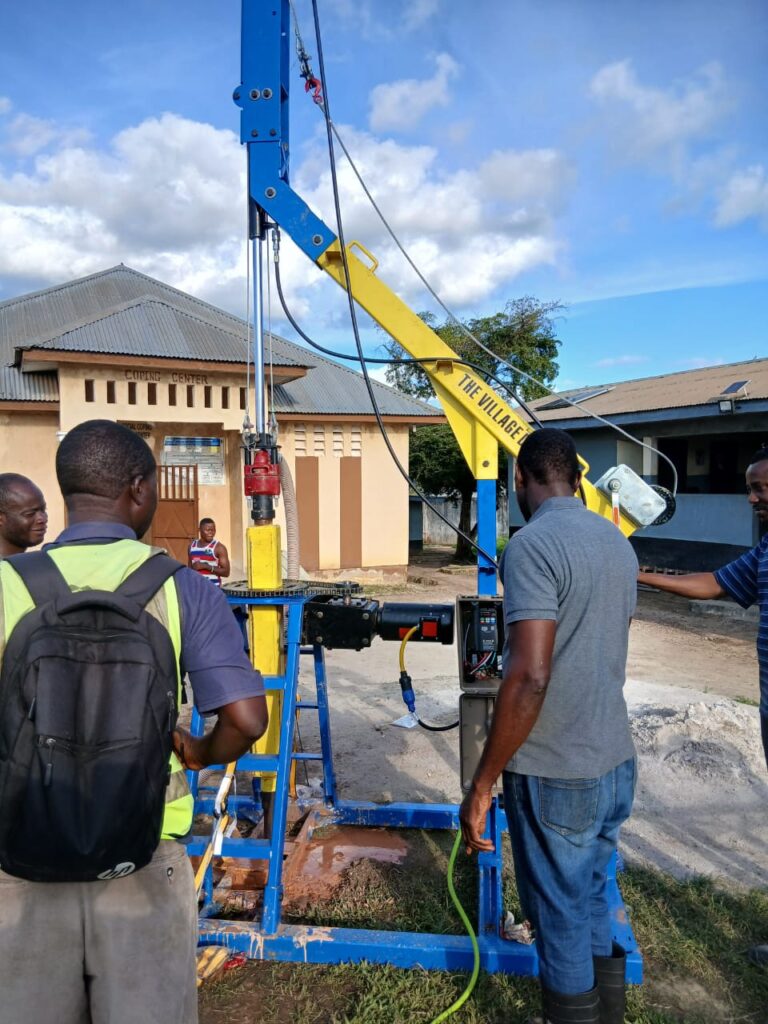
ReliefAid Gaza Emergency Water Distribution
Delivering safe drinking water to families in displacement camps across Gaza. Sourced from local boreholes and treated using operational desalination plants to ensure distribution is independent of border crossings.
Highly cost-effective emergency intervention in a major conflict zone, bypassing border dependency by sourcing water from active boreholes treated locally. Extremely high immediate survival impact.
Splash
Brings clean water and safe sanitation to children in urban poverty across eight countries, targeting schools and urban areas.
Innovative urban focus, but less rural reach.
Splash - Urban Water and Sanitation for Children
Splash provides clean water and safe sanitation to children in urban poverty settings, focusing on schools and institutions. Serves in 8 countries, targeting urban slum areas rather than rural villages. Installs water filtration and handwashing stations.
Effective urban focus with institutional delivery (schools). High impact on children's health. Needs ongoing maintenance and supplies.
The Water Project
Builds wells, sand dams, and rainwater systems in sub-Saharan Africa, focusing on broken well repairs and local partnerships.
Targets underserved areas with sustainable solutions, but scale is limited.
The Water Project Community Well in Africa
Build a clean water well in Africa for $50 per person. Projects in Kenya, Sierra Leone, Uganda. 100% of donations go to projects.
[Original Cost: $50 per person (USD)] Cost is $50 per person for well construction. Lifespan 15 years gives annual cost $3.33. Very high impact.
The Water Project: Hand-Pumped Wells in Africa
Charity intervention that drills shallow hand-pumped wells in Africa. A donor contribution of $50 provides clean water for one person, with each well serving approximately 350 people.
[Original Cost: $50 provides clean water for one person (USD)] Low donor entry point with clear per-person cost. Durable infrastructure model using shallow-depth drill rigs and hand pumps. Annualized cost is highly cost-effective over a multi-year lifespan.
UNICEF WASH Programs
UNICEF provides safe water, sanitation, and hygiene services in over 100 countries, reaching vulnerable communities with emergency water delivery, handwashing stations, and latrines.
Large-scale UN agency with massive reach. During COVID-19 reached nearly 74 million people. Proven effectiveness in both emergency and development contexts.
VF100 Water Filter
A $50 donation provides a VF100 water filter to a family in a developing country, capable of purifying over 100,000 gallons of water and removing 99.9999% of diseases.
[Original Cost: $50 per filter (USD)] Very cost-effective, low cost per person per year for a simple filter technology. Tax-deductible in the US.
Water For Life Charity Deep Well (Kenya)
Install a typical 250-foot deep well in Kenya serving an average of 750 people per well, costing about $12,000 total. Provides clean, sustainable drinking water to communities.
[Original Cost: $12,000 total per well serving ~750 people (USD)] Cost per person is approx. $16, with a well lifespan of 15 years, annual cost under $1.07, very effective.
Water Tank for Yemen
Provide a water tank to a family in Yemen for storing clean water. Cost: £80 per family.
[Original Cost: £80 per tank (GBP)] Targeted to a specific crisis region. Cost per person is low assuming a family of 5.
Water Wells For Africa - Rural Water Wells
Installs durable water wells in remote African villages; 98% continue functioning after 20 years.
[Original Cost: $18 per person for 20 years; $9,000 to sponsor an entire well (USD)] Very transparent: $18 provides one person clean water for 20 years, implying cost per person per year is $0.90.
Water Wells for Villages (GAiN Australia)
Global Aid Network (GAiN) Australia builds water wells in villages in Benin, Togo, and Tanzania, providing safe, lasting access to clean water along with hygiene training and community development.
[Original Cost: $15,000 AUD per full well serving ~1,000 people; minimum entry donation $150 AUD for 10 people (AUD)] Setup cost per person: $15 AUD (~$10 USD). A complete well costs $15,000 AUD. The minimum donation of $150 AUD enables 10 people to be reached. Donations are tax-deductible in Australia.
Water4 - Well Drilling & WASH Training
Water4 provides safe water through drilled wells and WASH training. As of 2025, completed 9,518 water projects and provided safe water to over 2.1 million people. Uses a sustainable local business model and emphasizes hygiene education and community ownership.
Sustainable model with local entrepreneurship. Combines infrastructure with behavior change. Projects in several African countries.
Water4 Community-Driven Water Projects
Water4 uses a sustainable, local approach to end the water crisis. They train local entrepreneurs to build and maintain water systems, completed 9,518 projects serving over 2.1 million people.
Focuses on exit strategy and local ownership rather than ongoing charity. Strong emphasis on business models and hygiene education.
WaterAid
Builds sustainable water systems (piped systems, wells) in rural and urban communities across more than 30 countries. Focuses on long-term maintenance and local partnerships.
Exceptional sustainability rating. Endorsed by the Australian government with full DGR status. Ensures deep community ownership and local technical capacity.
Wells of Life Well Drilling in Uganda
Drills wells in Uganda to provide clean water to rural communities.
Specific focus on Uganda; wells have high functionality rate with local collaboration.
WHOlives Village Drill Well - Dodoma Tanzania
Arid-zone deep well in Dodoma, Tanzania, drilled using the low-logistics Village Drill system. Provides water to 180 families (~900 people) who contribute small monthly payments to maintain the system, bypassing regular handpump breakdown problems.
Drilled in an arid zone where the first Village Drill prototype was tested. Strong community ownership through minor subscription fees enables local mechanics to replace wearing seals promptly.
WHOlives Village Drill Well - Eastern Uganda
Clean water borehole in Sironko District, Eastern Uganda. Taps highly protected groundwater tables using a portable Village Drill, serving 140 families (~700 people). Co-funded by the local community to create micro-entrepreneur maintenance jobs and ensure hardware lifespan.
Leverages local microfinance co-payments to avoid the 'broken charity pump' failure trap. High-efficiency manual drilling cuts installation cost, leading to extreme cost-effectiveness per person.
WHOlives Village Drill Well - Western Kenya
A community-supported deep borehole well in Western Kenya using the manual hybrid Village Drill system to access deep aquifers. Serves 160 families (~800 people) with continuous, safe water, eliminating FGM risks and biological waterborne pathogens. Managed by local village water committee.
Highly cost-effective rural borehole well utilizing low-logistics manual drilling to avoid heavy rig transport. Employs a self-sustaining co-payment maintenance model yielding excellent long-term hardware survival rates.
World Vision Water
Provides clean water access to a new person every ten seconds through wells, piped systems, and hygiene programs in developing countries.
Large-scale reach, but organizational overhead may be higher.
Standardized WASH Lifespan Methodology
To ensure objective, apple-to-apples comparisons across all charities, operating lifespans are standardized by technology class based on Rural Water Supply Network (RWSN) and IRC empirical data, rather than unverified self-reported claims. This accounts for real-world mechanical wear, supply chain constraints, and routine maintenance horizons: